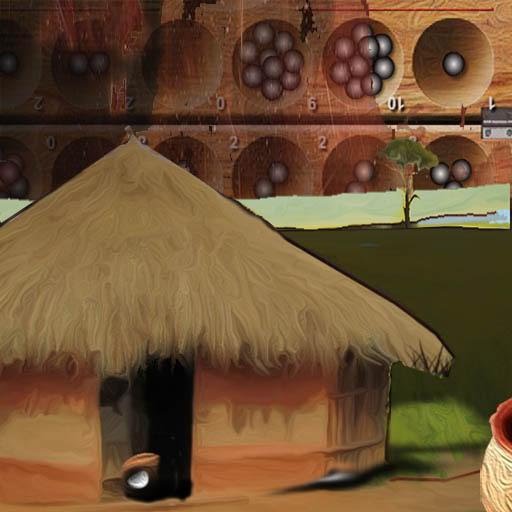
A reflection game played in West Africa
Also known as Awale, Ayo, or Oware, Awale is a strategic board game belonging to the Mancala family. It is traditionally played by two players and shares similarities with other regional variants such as Omweso, Bao, and Igisoro found in East Africa.
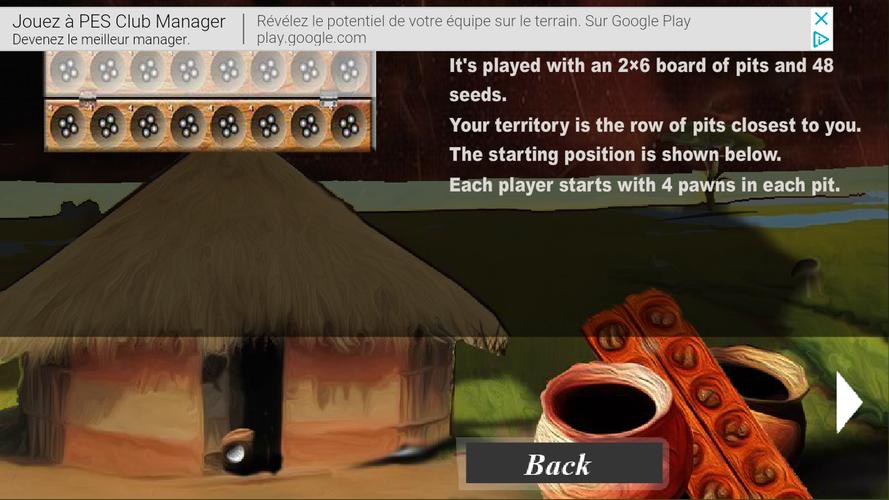
The game is set on a board with two rows of four holes per player, totaling eight holes for each side, and uses 64 seeds or balls in total. Each player controls the row of holes closest to them, referred to as their territory.
The objective of Awale is to capture the majority of the opponent’s seeds, ideally preventing them from making further moves. Players take turns distributing seeds from one hole to the next, following specific sowing rules, with the aim of capturing seeds based on the final position of the sown pieces.
Other well-known games in the Mancala family include Ayo, Kisoro, Omweso, and Bao, all showcasing regional variations in rules and board design.
Historically, Mancala-type games are believed to have originated in Ethiopia during the time of the ancient Kingdom of Aksum, making them among the oldest known board games in human history.