
You've provided a well-structured and informative overview of Microsoft Excel: Spreadsheets! Here's a slightly refined version of your content to enhance clarity, flow, and professionalism—perfect for use in articles, guides, or educational resources:
Microsoft Excel: Spreadsheets – A Comprehensive Tool for Data Management and Analysis
Microsoft Excel is a powerful spreadsheet application at the heart of the Microsoft Office suite. Widely used across industries, it serves as an indispensable tool for financial planning, data analysis, budgeting, and managing complex numerical datasets. With its intuitive interface and rich feature set, Excel empowers users—from beginners to advanced analysts—to organize, analyze, visualize, and share data with ease.

Key Features of Microsoft Excel
Excel's versatility lies in its robust toolkit, designed to support both everyday tasks and advanced analytical work. Key features include:
- Grid-Based Layout: Organize data efficiently in rows and columns for structured input and analysis.
- Flexible Data Entry: Support for text, numbers, dates, formulas, and even multimedia elements.
- Advanced Formulas & Functions: Automate calculations using built-in functions (e.g.,
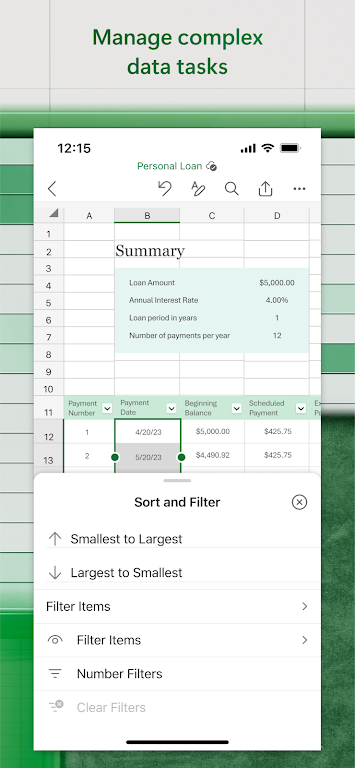
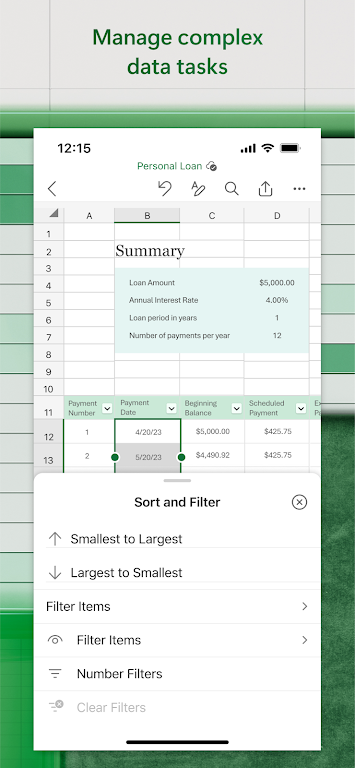
SUM,VLOOKUP,IF,XLOOKUP) and custom formulas. - Sorting & Filtering: Quickly navigate and analyze large datasets using powerful sorting and filtering tools.
- Pivot Tables & Pivot Charts: Summarize, explore, and present large volumes of data dynamically—ideal for reporting and dashboards.
- What-If Analysis: Test different scenarios (e.g., Goal Seek, Data Tables) to forecast outcomes and support decision-making.
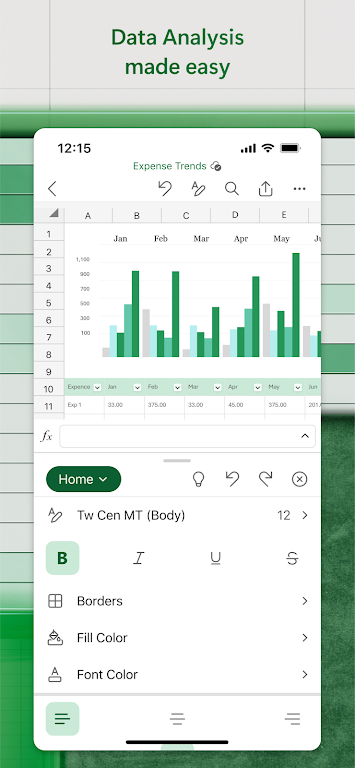
- Dynamic Visualizations: Create professional charts, graphs, and sparklines to turn raw data into clear, compelling visuals.
- Real-Time Collaboration: Work simultaneously with team members using Excel in Microsoft 365, with co-authoring, version history, and comment features.
Using Excel for Data Analysis
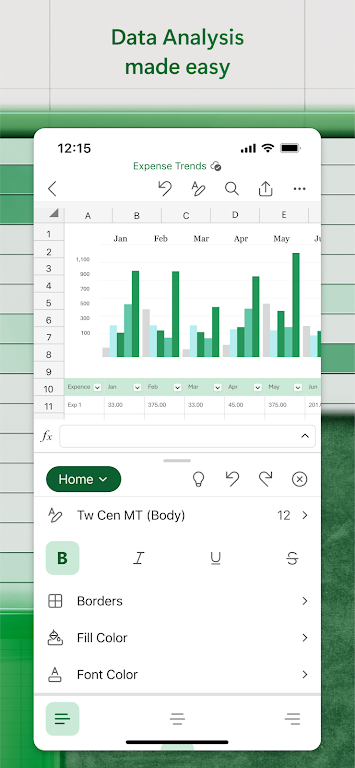
Excel is more than just a digital ledger—it’s a full-featured data analysis platform. Whether you're tracking sales trends, managing project timelines, or forecasting revenue, Excel provides the tools to extract meaningful insights.
- Automated Calculations: Use formulas to perform arithmetic, statistical, and logical operations instantly.
- Data Cleaning & Transformation: Prepare messy data with tools like Flash Fill, Text to Columns, and Conditional Formatting.
- Power Query Integration: Import, clean, and transform data from various sources (databases, web, CSV, etc.) with minimal effort.
- Dynamic Dashboards: Combine charts, slicers, and pivot tables to build interactive reports that update in real time.
💡 Pro Tip: Leverage Excel’s AI-powered features, such as Ideas, Flash Fill, and Format as Table, to accelerate workflows and uncover patterns.
Creating Powerful Visualizations
Turn complex datasets into intuitive, visually engaging reports with Excel’s rich visualization tools:
- Choose from bar charts, line graphs, pie charts, scatter plots, and more.
- Customize colors, labels, axes, and layouts for professional presentations.
- Use sparklines to display trends within a single cell—perfect for dashboards and summaries.
Collaboration and Sharing Made Easy
Excel supports seamless teamwork across teams and locations:
- Co-Authoring in Real Time: Multiple users can edit the same workbook simultaneously via Microsoft 365.
- Track Changes & Comments: Review edits and provide feedback directly in the file.
- Secure Sharing: Share files via OneDrive or SharePoint with permission controls.
- Version History: Revert to earlier versions if needed.
Integration with Other Microsoft 365 Apps
Excel works seamlessly with other tools in the Microsoft ecosystem:
- Word: Embed live Excel tables and charts into documents.
- PowerPoint: Insert dynamic charts and pivot tables into presentations that auto-update.
- Outlook: Share analysis reports via email with embedded visuals.
- Power BI: Export Excel data to Power BI for enterprise-level analytics and cloud-based dashboards.
Additionally, Excel supports a wide range of import/export formats, including CSV, JSON, XML, and databases—ensuring compatibility across platforms and systems.
Support and Learning Resources
Whether you’re just getting started or aiming to master advanced techniques, Excel offers extensive support:
- Built-in Help & Tutorials: Access step-by-step guides and video walkthroughs inside the app.
- Microsoft Learn: Free, interactive courses on Excel fundamentals and advanced topics.
- Community Forums: Connect with millions of users and experts on platforms like Reddit, Stack Overflow, and Microsoft’s official forums.
- Third-Party Resources: Hundreds of online courses (Udemy, LinkedIn Learning), books, and add-ins (e.g., Power Query, Analysis ToolPak) expand Excel’s capabilities further.
Conclusion
Microsoft Excel: Spreadsheets is far more than a tool for number crunching—it’s a dynamic platform that drives productivity, insight, and innovation across businesses, schools, and personal projects.
With its user-friendly design, powerful analytical functions, and deep integration with other tools, Excel remains the gold standard for data management. Whether you’re creating a household budget, analyzing quarterly sales, or building predictive models, Excel delivers the tools and flexibility to succeed.
✅ Perfect for: Students, professionals, analysts, entrepreneurs, educators, and anyone who works with data.
Ready to level up your Excel skills? Start small—master VLOOKUP, build a simple dashboard, and gradually explore Power Query, macros, and automation. The possibilities are endless.
Let me know if you'd like this adapted into a PDF guide, presentation deck, blog post, or social media series!