Though it's only been 23 years since Danny Boyle's groundbreaking post-apocalyptic thriller 28 Days Later stunned audiences, fans eagerly await the upcoming sequel 28 Years Later. Would anyone really complain if Boyle and writer Alex Garland shortened the timeline slightly to make it happen?
While 28 Years Later preserves the distinctive visual intensity that made its predecessor so terrifying—with sprinting "infected" and its raw digital aesthetic—this installment expands the scope dramatically, elevating far beyond the original's modest origins. After previewing the first 30 minutes, we spoke with Boyle about reviving nightmarish world of rage virus.
"We opted for an expansive widescreen format this time," Boyle tells IGN. "We wanted to amplify that unsettling tension from the first film—the sheer velocity and visceral horror of the infected. With widescreen, danger could emerge from anywhere... constantly keeping audiences scanning their surroundings."
Starring Aaron Taylor-Johnson, Jodie Comer, and Alfie Williams, Boyle's vision for 28 Years Later balances blockbuster spectacle with the intimate character moments that grounded the original—along with terrifying new mutations of rage-infected humanity.
From 28 Days to 28 Years: A Post-Brexit Nightmare
Since 28 Days Later debuted, Boyle and Garland periodically revisited sequel ideas (they executive produced 2007's 28 Weeks Later). Boyle recalls watching a BFI revival screening years later, astonished by the enduring impact of their work.
"It makes you think, 'Wow,'" he chuckles. "Whenever that feeling resurged, Alex and I would brainstorm continuing this world."
Initial concepts fizzled—until real-world events reshaped their perspective.
"Alex drafted one sequel script featuring predictable tropes—weaponized viruses, shadowy organizations," Boyle admits. "Neither of us felt inspired. Then we considered flipping expectations: instead of global sprawl, we'd contract the focus."
Brexit became their thematic catalyst. "We realized this was fundamentally Britain's story," Boyle explains. "Recent history gave us fresh angles to explore—isolationism, fractured identity."
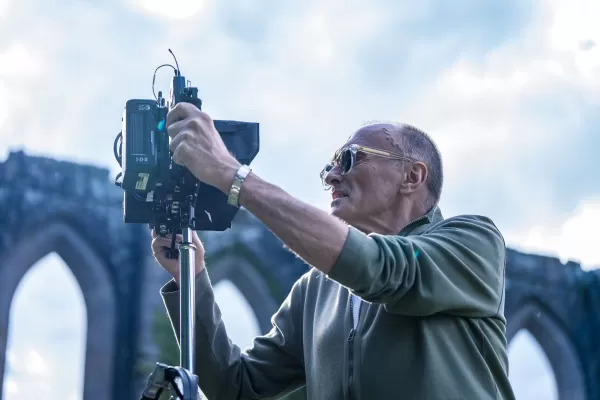
The film opens on an isolated island community—safe from mainland horrors but confronting the perils of going it alone.
"These films mirror societal fractures," says Boyle. "They're not lectures, but they inevitably reflect our collective experiences."
Widescreen Terror: Beyond the iPhone Aesthetic
The original's guerrilla-style digital cinematography defined its unsettling realism. For the sequel, Boyle drew inspiration from that DIY approach while revolutionizing the visual language.
"We acknowledged our roots," says Boyle. Just as early-2000s camcorders shaped 28 Days Later's found-footage tension, iPhones became their modern equivalent—sometimes deployed twenty at once.
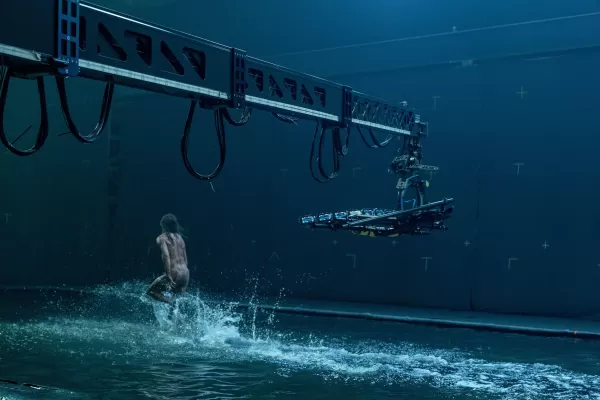
"Creative constraints breed innovation," Boyle emphasizes. Alongside regular cinematographer Anthony Dod Mantle, they adopted an expansive 2.76:1 aspect ratio—typically reserved for epic-scale filmmaking.
The production utilized customized rigs housing clusters of iPhones ("essentially DIY bullet-time"), camera-mounted drones, and elaborate multi-camera arrays to plunge audiences into infected Britain's ravaged landscapes.
"There's a jaw-dropping sequence using twenty synchronized iPhones," teases Boyle. "It's graphic yet mesmerizing—transporting you somewhere terrifyingly new."
The technology allowed dynamic perspectives during brutal scenes. "You're not passively watching—you're inside the horror," Boyle explains. "Surrounded by screaming rage victims, trapped in collapsing tunnels..."
Balancing Spectacle With Human Drama
The Boyle-Garland creative partnership remains vital to this franchise's DNA—since Garland's early career reinvention through their collaboration on The Beach.
"Alex writes provocative cinematic physics," Boyle explains. "He crafts unconventional physical challenges alongside rich character arcs—always demanding fresh visual vocabulary."
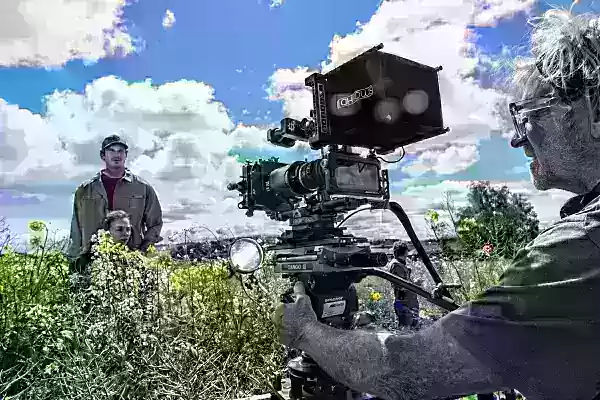
Boyle's direction complements this by destabilizing performers' instincts. "Veteran actors anticipate standard setups," he laughs. "Our camera arrays keep them genuinely reactive—that rawness translates powerfully."
The director cherishes blurring reality and fiction: "Great stories acknowledge the world beyond their frames. This sequel examines contemporary anxieties through apocalyptic metaphors."
While details remain shrouded, Boyle promises 28 Years Later will shatter expectations: "It honors the original while forging startling new territory. That duality excites me most."