XDefiant's servers were taken offline on Tuesday, June 3, just over a year after Ubisoft's free-to-play arena shooter launched. Ubisoft gave its Call of Duty competitor only four months before announcing it would end support. Close to half the development team lost their jobs as Ubisoft implemented widespread cuts at its San Francisco and Osaka studios.
Producer Mark Rubin, the game's development lead who previously worked on the Call of Duty series at Activision, described it as a "sad day" in a detailed statement posted on X/Twitter earlier today. After expressing gratitude to his colleagues for creating a "truly enjoyable and outstanding game," he revealed his decision to "leave the industry" permanently.
"In case not everyone is aware, the entire XDefiant team was laid off at the end of last year. I know many have moved on to other studios, which is wonderful, and I hope those still searching find new opportunities soon," Rubin wrote.
"As for myself, I've chosen to leave the industry to focus more on family time. Unfortunately, this means I won't be involved in creating another game. I remain deeply passionate about the shooter genre and hope others will continue the mission I pursued—developing games that value players, treat them respectfully, and genuinely consider their feedback."
Rubin noted the team achieved "remarkable" progress despite "minimal marketing," stating that even without significant advertising, XDefiant "achieved the fastest player acquisition rate in Ubisoft's history during its initial weeks" solely through organic word-of-mouth promotion.
"However, the lack of sustained marketing, particularly post-launch, prevented us from attracting new players beyond the initial surge," he added, explaining that Ubisoft's proprietary game engine "wasn't built to handle XDefiant's specific requirements."
"We faced additional challenges that we openly discussed. A primary obstacle was our overwhelming technical debt from using an engine not designed for our project, without sufficient engineering resources to resolve it. I personally believe proprietary engines no longer offer the strategic advantage they once did, and they frequently struggle to keep pace with major engines like Unreal."
"This technical debt included persistent netcode problems we couldn't resolve within our existing architecture," he continued. "While players with stable, high-quality internet connections experienced smooth gameplay, even minor connection inconsistencies would cause the engine to falter, creating poor experiences. Typically, games can withstand brief network fluctuations, but this represented a fundamental weakness in XDefiant."
XDefiant Gameplay Screenshots
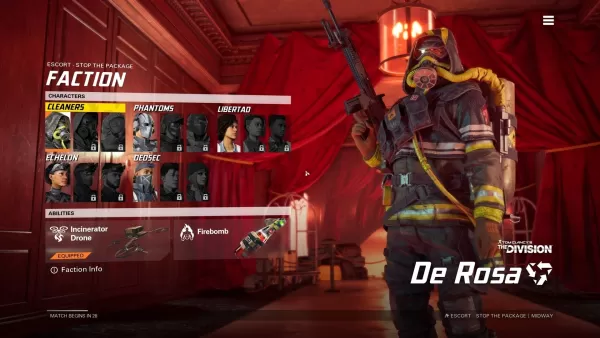
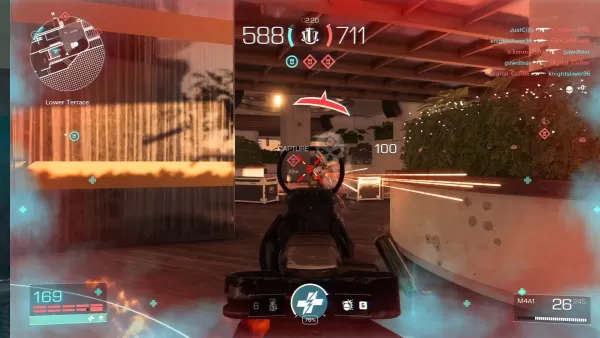
View 14 Images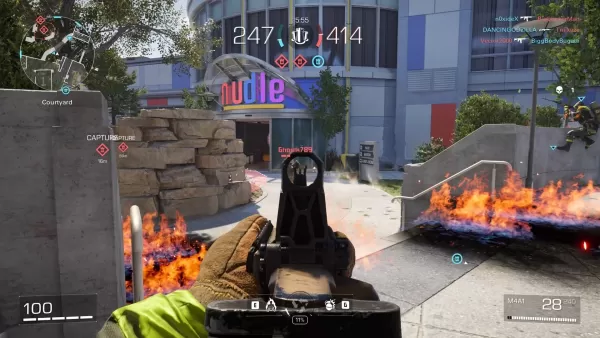
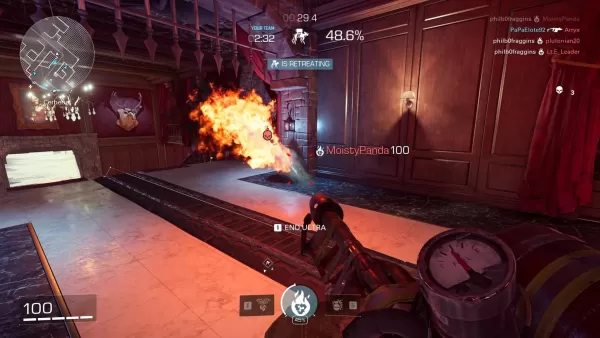
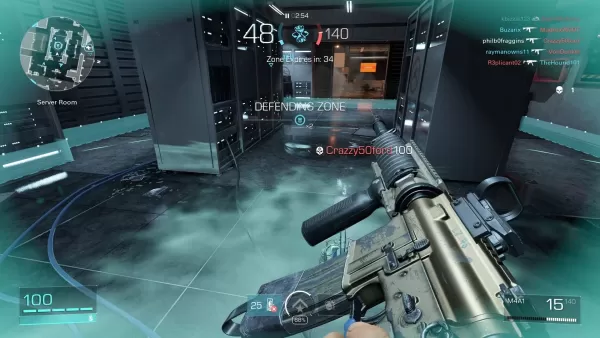
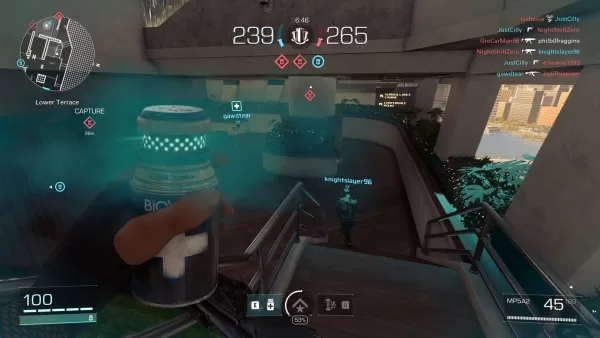
Rubin also expressed disappointment about insufficient resources for content development.
"Another challenge was securing adequate resources for game content. What we delivered in Season 3 fell short of what I consider launch-ready content. We had exciting features planned for Seasons 4 and 5 that would have fully realized the game's potential as I originally envisioned. While everyone involved—developers and corporate leadership—had good intentions, we simply lacked the sustained momentum necessary for a successful free-to-play title."
In October 2024, Ubisoft publicly stated it wouldn't shut down XDefiant, only to announce its discontinuation weeks later. We recognized XDefiant's solid foundation, but noted that "conflicting design concepts and mechanics prevent it from distinguishing itself in a crowded shooter market." Our final assessment resulted in a "Good" score of 7.